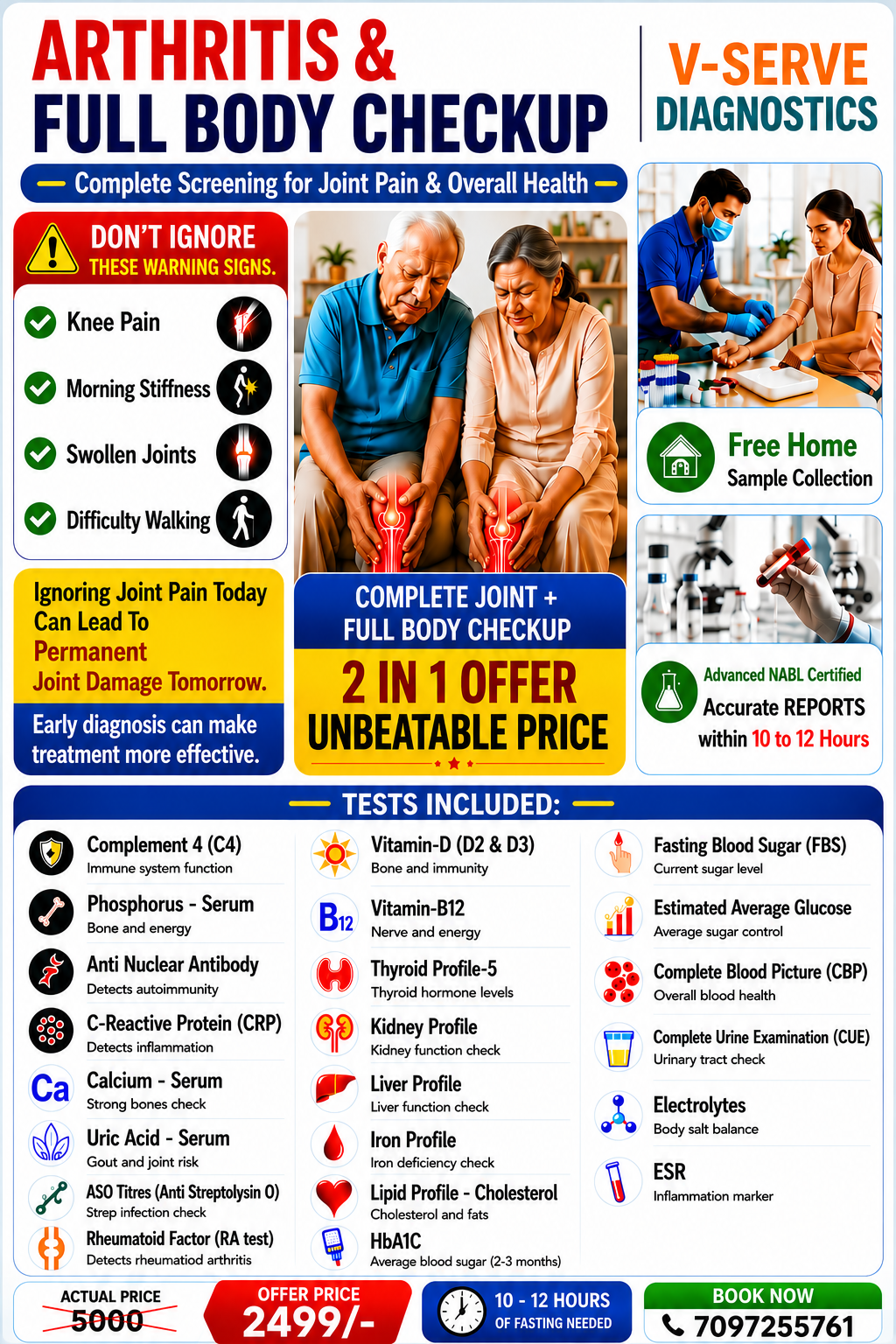
Arthritis & Full Body Checkup
Arthritis & Full Body Checkup is a comprehensive health screening package designed to evaluate joint health, inflammation, autoimmune conditions, vitamin deficiencies, thyroid function, diabetes, and overall body wellness. It combines essential arthritis-related blood tests with a complete full body checkup to help identify the possible causes of joint pain, morning stiffness, swollen joints, fatigue, and mobility issues, supporting early detection and informed medical consultation.
official.sooryaa
7/25/202646 min read
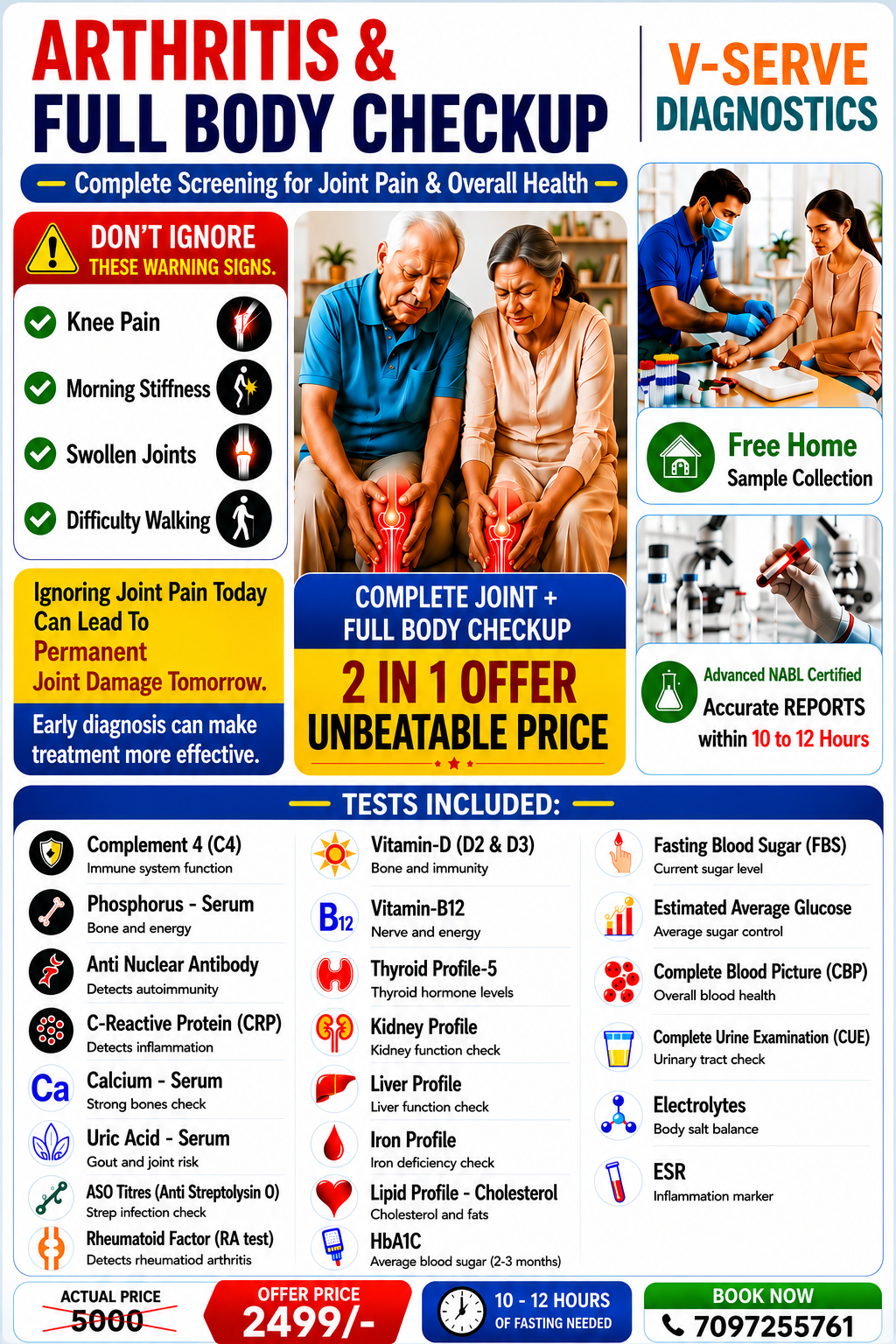



Arthritis & Full Body Checkup
Your Joint Pain Is Trying To Tell You Something
Joint pain is common. Everyone feels it at some point. A stiff knee after a long walk. A sore shoulder after sleeping wrong. Most of the time, it goes away in a day or two.
But sometimes it doesn't go away. It comes back. It gets worse. It moves from one joint to another. It stays stiff every morning for longer than half an hour. That is when joint pain stops being normal wear and tear and starts becoming a warning sign.
Arthritis affects millions of people in India, and a large number of them do not know they have it until the joint damage is already done. The early stages of arthritis rarely hurt enough to send you to a doctor. But the early stages are exactly when blood tests can catch it, and exactly when treatment works best.
This guide answers every question you have about arthritis, joint pain, and the blood tests that detect them early. You will learn what each test measures, why it matters, what your results mean, and what to do next. By the end, you will understand your joints better than most people ever will, and you will know exactly what an Arthritis & Full Body Checkup can do for you.
This guide covers the complete Arthritis & Full Body Checkup package, a set of 22 tests designed to catch joint disease, inflammation, vitamin deficiency, and organ health problems before they become permanent.
What Is Arthritis
Arthritis is not one disease. It is a group of more than 100 conditions that affect your joints, the points where two bones meet. The word itself comes from "arthro" meaning joint and "itis" meaning inflammation. So arthritis literally means joint inflammation.
When a joint is inflamed, the tissue around it swells, the fluid inside changes, and the cartilage that cushions your bones can wear down. This causes pain, stiffness, swelling, and reduced movement. Over years, untreated arthritis can permanently deform joints and limit your ability to walk, grip, or bend.
Arthritis is not just an old person's disease. It affects children, young adults, working professionals, and senior citizens. Some forms are caused by wear and tear. Others are caused by your own immune system attacking your joints by mistake. Some are triggered by infection. Some are linked to high uric acid levels in your blood.
Types Of Arthritis
Osteoarthritis
Osteoarthritis is the most common form of arthritis. It happens when the cartilage that cushions your joints breaks down over time. Without cartilage, bones rub against each other, causing pain, stiffness, and swelling. It usually affects weight-bearing joints like the knees, hips, and spine, and also the hands.
Osteoarthritis develops slowly, often over many years. Age, obesity, joint injury, and repeated stress on a joint all increase your risk. It is a mechanical problem more than an immune problem, though inflammation plays a role too.
Rheumatoid Arthritis
Rheumatoid arthritis, often shortened to RA, is an autoimmune disease. Your immune system, which is supposed to protect you from infections, mistakenly attacks the lining of your joints. This causes painful swelling that can eventually lead to bone erosion and joint deformity.
RA usually affects joints symmetrically, meaning if your left wrist hurts, your right wrist often hurts too. It commonly starts in the small joints of the hands and feet before spreading. Morning stiffness lasting more than an hour is a classic sign.
Psoriatic Arthritis
Psoriatic arthritis affects some people who have psoriasis, a skin condition that causes red, scaly patches. It causes joint pain, stiffness, and swelling, and can also affect the nails and spine. Not everyone with psoriasis develops this form of arthritis, but the skin condition raises the risk.
Gout
Gout is caused by a buildup of uric acid crystals in a joint, most often the big toe. It causes sudden, severe pain, redness, and swelling. Attacks can come on quickly, often at night. Gout is directly linked to high uric acid levels in the blood, which is why a Uric Acid Serum test is so useful for anyone with sudden joint pain.
Autoimmune Arthritis
Beyond rheumatoid arthritis, several other autoimmune conditions can cause joint pain, including lupus. In these conditions, the immune system produces antibodies that attack the body's own tissue, including joints. Blood tests like ANA and Rheumatoid Factor help identify autoimmune activity.
Joint Pain vs Arthritis
Not all joint pain is arthritis. A pulled muscle, a minor sprain, or overuse from exercise can cause temporary joint pain that resolves with rest. Arthritis is different because it tends to be persistent, recurring, and often accompanied by swelling, warmth, stiffness, and sometimes fatigue or low-grade fever.
The clearest way to tell the difference is time and pattern. Ordinary joint pain from overuse usually improves within a few days. Arthritis-related pain tends to stay, come back, or spread to other joints, and morning stiffness that lasts longer than 30 minutes is a strong signal that something more than simple wear and tear is happening.
Why Arthritis Happens
Arthritis develops through several different mechanisms depending on the type. Understanding these helps you understand why blood tests matter so much.
Wear and tear on cartilage over years of use, common in osteoarthritis
Immune system malfunction, where the body attacks its own joint tissue, common in rheumatoid arthritis
Crystal buildup inside a joint, as seen in gout
Infection that triggers an immune reaction affecting joints
Genetic predisposition that makes some people more likely to develop autoimmune conditions
Chronic inflammation from other conditions like obesity, diabetes, or thyroid disorders
Who Is At Risk
Certain groups face a higher risk of developing arthritis. Risk does not mean certainty, but it means you should pay closer attention to your joints and consider a checkup if you notice symptoms.
People above 45 years of age, due to natural cartilage wear
Women, who face a higher risk of rheumatoid arthritis than men
People with a family history of arthritis or autoimmune disease
People who are overweight or obese, due to extra joint stress
People with diabetes or thyroid disorders
People with sedentary desk jobs and poor posture
People who smoke, which increases rheumatoid arthritis risk
People who drink alcohol heavily, which increases gout risk
Athletes and manual laborers with repeated joint stress
Women going through menopause, due to hormonal changes affecting bone density
Symptoms Of Arthritis
Recognizing symptoms early gives you the best chance of preventing permanent joint damage. Here is what arthritis commonly looks like in the body.
Morning Stiffness
Morning stiffness is one of the earliest and most telling signs of inflammatory arthritis. If your joints feel stiff and hard to move for more than 30 minutes after waking up, and this happens regularly, it points toward an inflammatory process rather than simple wear and tear.
Swollen Joints
Swelling happens when the joint lining becomes inflamed and extra fluid builds up inside the joint capsule. Swollen joints often feel warm to the touch and look visibly larger than normal. Persistent swelling in the same joint, or swelling that moves between joints, needs medical attention.
Knee Pain
The knee is a weight-bearing joint and one of the most common sites for osteoarthritis. Pain that worsens with stairs, standing up from a chair, or long walks often points to cartilage wear in the knee.
Shoulder Pain
Shoulder pain in arthritis often comes with reduced range of motion. Reaching overhead or behind your back becomes difficult. It can also be linked to rotator cuff issues that co-exist with joint inflammation.
Back Pain
Chronic back pain, especially in the lower back, can be linked to spinal arthritis or ankylosing spondylitis, a form of inflammatory arthritis that affects the spine.
Hip Pain
Hip pain that worsens with walking or standing for long periods can indicate osteoarthritis of the hip joint, one of the larger weight-bearing joints in the body.
Finger Pain
Small joint pain in the fingers, especially symmetric pain in both hands, is a classic early sign of rheumatoid arthritis.
Neck Pain
Persistent neck stiffness and pain, especially with reduced range of motion, can be linked to arthritis affecting the cervical spine.
Walking Difficulty
As arthritis progresses in the knees, hips, or ankles, walking becomes harder. You may notice a limp, reduced speed, or the need to rest frequently.
Bone Weakness
Chronic inflammation and vitamin D or calcium deficiency can weaken bones over time, increasing fracture risk alongside joint symptoms.
Muscle Weakness
Reduced joint use due to pain often leads to muscle weakness around the affected joint, which in turn worsens joint instability.
The Hidden Connections Behind Joint Pain
Joint pain rarely exists in isolation. It is often connected to what is happening elsewhere in your body. This is exactly why a full body checkup approach, rather than testing joints alone, gives you a much clearer picture.
Vitamin Deficiency And Joint Pain
Low levels of Vitamin D and Vitamin B12 are strongly linked to joint pain, muscle aches, and fatigue. Many people who believe they have arthritis actually have a correctable vitamin deficiency causing similar symptoms.
Immune Disorders
Autoimmune conditions do not only affect joints. They can affect skin, kidneys, and other organs too. This is why doctors look at a combination of markers like ANA, CRP, and Complement C4 together rather than relying on just one test.
Silent Inflammation
Chronic, low-grade inflammation can exist in your body for years without obvious symptoms. It quietly damages joints, blood vessels, and organs. Markers like CRP and ESR are designed to catch this silent inflammation before it causes visible damage.
Thyroid And Joint Pain
An underactive thyroid can cause joint pain, stiffness, and muscle aches that closely mimic arthritis. This is why a Thyroid Profile is included in a comprehensive arthritis checkup.
Diabetes And Joint Health
High blood sugar contributes to inflammation throughout the body and can worsen joint pain. It also increases the risk of a painful hand condition called diabetic cheiroarthropathy, which causes stiffness in the fingers.
Lifestyle Factors That Affect Your Joints
Diet
What you eat has a direct effect on inflammation levels in your body. Diets high in processed food, sugar, and refined carbohydrates tend to increase inflammatory markers, while diets rich in vegetables, fruits, and omega-3 fats tend to lower them.
Exercise
Movement keeps joints lubricated and muscles strong enough to support them. A sedentary lifestyle weakens the muscles around joints, making them less stable and more prone to injury and pain.
Weight
Every extra kilogram of body weight adds significant extra load to your knees with every step. Weight loss is one of the most effective ways to reduce knee osteoarthritis symptoms.
Sleep
Poor sleep increases inflammatory markers in the body and lowers your pain threshold, making existing joint pain feel worse.
Stress
Chronic stress raises cortisol levels, which over time can worsen inflammation and trigger flare-ups in autoimmune arthritis.
Smoking
Smoking is one of the strongest known risk factors for developing rheumatoid arthritis, and it also makes existing RA harder to treat.
Alcohol
Alcohol, especially beer, raises uric acid levels and is a well-known trigger for gout attacks.
Family History
If a close relative has rheumatoid arthritis, lupus, or another autoimmune condition, your own risk is meaningfully higher, and earlier screening is worth considering.
Who Should Take This Checkup
Anyone with joint pain lasting more than two weeks
Anyone with morning stiffness lasting more than 30 minutes
Anyone with swollen, warm, or red joints
Anyone with a family history of arthritis or autoimmune disease
Anyone above 40 planning a preventive full body checkup
Anyone with unexplained fatigue along with joint discomfort
Anyone with a history of gout or sudden severe joint pain
Anyone with diabetes, thyroid issues, or obesity looking to monitor related joint risk
Anyone experiencing difficulty walking, gripping, or climbing stairs
Women approaching or past menopause concerned about bone health
When To Consult A Doctor
Some symptoms need medical attention without delay. Do not wait if you notice:
Sudden, severe joint pain and swelling
A joint that is red, hot, and extremely painful to touch
Fever along with joint pain
Joint pain that stops you from walking or using a limb
Multiple joints becoming painful within a short period
Persistent morning stiffness lasting over an hour, most days, for several weeks
Complications Of Untreated Arthritis
Ignoring persistent joint symptoms is not a neutral choice. Left unmanaged, arthritis can lead to:
Permanent joint deformity, especially in rheumatoid arthritis
Loss of mobility and independence
Chronic pain that affects sleep, mood, and daily function
Muscle wasting around affected joints
Increased fracture risk due to weakened bone
In autoimmune arthritis, potential involvement of other organs including the kidneys and heart
Early diagnosis through blood testing is one of the most effective ways to prevent these outcomes, because treatment started early works far better than treatment started after damage has already occurred.
Every Test In This Package, Explained In Detail
The Arthritis & Full Body Checkup includes 22 tests. Together, they look at inflammation, autoimmune activity, joint-specific chemistry, vitamin levels, and the health of your organs that influence joint symptoms. Below, each test is explained individually.
Complement 4 (C4)
What Is This Test
Complement C4 is a protein that is part of your immune system's complement pathway, a group of proteins that help your body fight infection and clear away damaged cells.
Why It Is Done
C4 levels change during autoimmune activity. Doctors use it alongside other tests to monitor conditions like lupus and to understand how active an autoimmune disease is at a given time.
Who Needs It
Anyone with symptoms suggesting autoimmune disease, such as joint pain combined with skin rash, unexplained fatigue, or a known autoimmune diagnosis being monitored over time.
Normal Range
Typically between 10 and 40 mg/dL, though exact reference ranges can vary slightly between laboratories.
High Values
Elevated C4 can occur during acute inflammation or infection, though it is less commonly the focus of concern compared to low values.
Low Values
Low C4 often indicates active autoimmune disease, where the complement proteins are being consumed faster than the body produces them, commonly seen during lupus flares.
What It Detects
Autoimmune disease activity, particularly systemic lupus erythematosus, and it helps track disease flares over time.
Medical Importance
C4 is rarely used alone. Combined with ANA and clinical symptoms, it helps doctors understand whether an autoimmune condition is currently active.
Phosphorus Serum
What Is This Test
This test measures the amount of phosphorus in your blood, a mineral that works closely with calcium to build strong bones and teeth.
Why It Is Done
Phosphorus levels affect bone health, muscle function, and energy production. Imbalances can contribute to bone weakness and joint discomfort.
Who Needs It
Anyone being evaluated for bone health, kidney function, or unexplained muscle and bone pain.
Normal Range
Typically 2.5 to 4.5 mg/dL for adults.
High Values
High phosphorus can be linked to kidney problems, since healthy kidneys are responsible for clearing excess phosphorus from the blood.
Low Values
Low phosphorus can contribute to bone pain, muscle weakness, and in severe cases, softening of the bones.
What It Detects
Kidney dysfunction, certain bone disorders, and imbalances that affect calcium metabolism.
Medical Importance
Phosphorus and calcium work as a pair. Testing both gives a fuller picture of bone health than testing either alone.
Anti Nuclear Antibody (ANA)
What Is This Test
ANA is a screening test that detects antibodies your immune system may be producing against the nucleus of your own cells, a sign of autoimmune activity.
Why It Is Done
A positive ANA suggests your immune system may be attacking your own tissue, which is the underlying mechanism in many autoimmune diseases including lupus and some forms of arthritis.
Who Needs It
Anyone with unexplained joint pain, skin rashes, persistent fatigue, or a family history of autoimmune disease.
Normal Range
A negative result is normal. A positive result is reported as a titre, such as 1:80 or 1:160, with higher titres generally indicating stronger antibody activity.
High Values
A positive ANA at a high titre suggests active autoimmune disease and typically warrants further specific testing to identify which condition is involved.
Low Values
Not applicable, as ANA is reported as negative or positive with a titre, not as a low value.
What It Detects
Lupus, certain forms of autoimmune arthritis, and other connective tissue diseases.
Medical Importance
ANA is a starting point, not a final diagnosis. A positive result opens the door to more specific tests that confirm which autoimmune condition, if any, is present.
C Reactive Protein (CRP)
What Is This Test
CRP is a protein made by your liver that rises rapidly whenever there is inflammation anywhere in your body.
Why It Is Done
CRP is one of the most useful markers for detecting active inflammation, whether from infection, injury, or autoimmune disease affecting the joints.
Who Needs It
Anyone with joint swelling, unexplained fever, or symptoms suggesting an active inflammatory process.
Normal Range
Typically less than 10 mg/L, though ultra-sensitive versions of this test use lower cutoffs for heart-related risk assessment.
High Values
Elevated CRP indicates active inflammation somewhere in the body. In someone with joint pain, high CRP supports a diagnosis of active arthritis rather than mechanical pain alone.
Low Values
Low or normal CRP suggests inflammation is not currently active, which can help rule out an inflammatory cause for joint symptoms.
What It Detects
Active inflammation from infection, autoimmune arthritis, or other inflammatory conditions.
Medical Importance
CRP is fast-reacting, often rising within hours of inflammation starting, making it a valuable early marker.
Calcium Serum
What Is This Test
This test measures the total amount of calcium circulating in your blood, a mineral essential for bone strength, muscle function, and nerve signaling.
Why It Is Done
Calcium imbalance directly affects bone density and can contribute to joint and bone pain over time.
Who Needs It
Anyone concerned about bone health, especially women past menopause, older adults, and anyone with a diet low in dairy or calcium-rich foods.
Normal Range
Typically 8.5 to 10.5 mg/dL for adults.
High Values
High calcium can be linked to overactive parathyroid glands or, less commonly, certain cancers, and can cause bone pain and fatigue.
Low Values
Low calcium can contribute to muscle cramps, bone weakness, and increased fracture risk over time.
What It Detects
Bone density issues, parathyroid gland problems, and vitamin D related calcium absorption issues.
Medical Importance
Calcium works together with Vitamin D and phosphorus. Testing all three together gives a much clearer picture of bone health than any single test.
Uric Acid Serum
What Is This Test
This test measures the level of uric acid, a waste product formed when your body breaks down substances called purines found in certain foods.
Why It Is Done
High uric acid can form sharp crystals in joints, causing gout, one of the most painful forms of arthritis.
Who Needs It
Anyone with sudden, severe joint pain, especially in the big toe, and anyone with a diet high in red meat, seafood, or alcohol.
Normal Range
Typically 3.5 to 7.2 mg/dL for men and 2.6 to 6.0 mg/dL for women.
High Values
High uric acid, called hyperuricemia, increases the risk of gout attacks and, over time, kidney stones.
Low Values
Low uric acid is uncommon and usually not a cause for concern unless linked to specific kidney or liver conditions.
What It Detects
Gout risk and, in some cases, kidney stone risk.
Medical Importance
Uric acid levels can be controlled through diet and medication, making this one of the most actionable tests in the package.
ASO Titres (Anti Streptolysin O)
What Is This Test
ASO Titres measure antibodies your body produces in response to a past infection with Streptococcus bacteria, a common cause of throat infections.
Why It Is Done
Untreated strep infections can, in rare cases, trigger an immune reaction that affects the joints and heart, a condition called rheumatic fever.
Who Needs It
Anyone with joint pain following a recent sore throat or unexplained fever, especially children and young adults.
Normal Range
Typically less than 200 IU/mL, though this can vary by lab and age group.
High Values
Elevated ASO titres suggest a recent or past streptococcal infection and may point toward rheumatic fever if joint symptoms are present.
Low Values
Low or normal ASO titres suggest no recent significant strep infection is contributing to current symptoms.
What It Detects
Post-streptococcal complications including rheumatic fever, a condition that can affect both joints and heart valves.
Medical Importance
Catching this early can prevent long-term heart valve damage, making it an important test for joint pain following a throat infection.
Rheumatoid Factor (RA Test)
What Is This Test
Rheumatoid Factor is an antibody that is often present in the blood of people with rheumatoid arthritis, though it can also appear in other conditions.
Why It Is Done
A positive RA Factor, combined with joint symptoms, supports a diagnosis of rheumatoid arthritis and helps guide treatment decisions.
Who Needs It
Anyone with persistent, symmetric joint pain and swelling, especially in the small joints of the hands and feet, along with prolonged morning stiffness.
Normal Range
Typically less than 14 IU/mL, though exact cutoffs vary between laboratories.
High Values
A positive result supports a diagnosis of rheumatoid arthritis, though it is not definitive on its own since some healthy people also test positive.
Low Values
A negative result makes rheumatoid arthritis less likely but does not completely rule it out, since some people with RA test negative.
What It Detects
Rheumatoid arthritis and, occasionally, other autoimmune or chronic inflammatory conditions.
Medical Importance
RA Factor combined with other markers like ANA and CRP gives doctors a much clearer diagnostic picture than any single test alone.
Vitamin D (D2 & D3)
What Is This Test
This test measures the total level of Vitamin D in your blood, combining both forms, D2 from food and supplements, and D3 produced by your skin from sunlight.
Why It Is Done
Vitamin D is essential for calcium absorption and bone health. Deficiency is extremely common in India, even in sunny cities, due to limited sun exposure and indoor lifestyles.
Who Needs It
Almost everyone benefits from checking this, especially people with joint pain, muscle weakness, fatigue, or limited outdoor time.
Normal Range
Generally 30 to 100 ng/mL is considered sufficient, with levels below 20 ng/mL considered deficient.
High Values
Very high levels are uncommon and usually only occur from excessive supplementation, which can cause other health issues.
Low Values
Low Vitamin D is strongly linked to bone pain, muscle weakness, fatigue, and joint discomfort that can closely mimic arthritis.
What It Detects
Vitamin D deficiency, a major contributor to bone weakness and a common hidden cause of joint and muscle pain.
Medical Importance
Vitamin D deficiency is one of the most common, most under-diagnosed, and most easily correctable causes of joint pain in India today.
Vitamin B12
What Is This Test
This test measures the level of Vitamin B12 in your blood, a nutrient essential for nerve function and red blood cell production.
Why It Is Done
B12 deficiency can cause fatigue, tingling, muscle weakness, and joint discomfort, and is especially common among vegetarians in India.
Who Needs It
Anyone with fatigue, tingling in hands or feet, muscle weakness, or a strictly vegetarian diet without supplementation.
Normal Range
Typically 200 to 900 pg/mL, though many doctors consider levels below 300 pg/mL to be suboptimal.
High Values
High B12 is uncommon from diet alone and is usually linked to supplementation or, rarely, certain liver or blood conditions.
Low Values
Low B12 can cause fatigue, weakness, tingling sensations, and can contribute to muscle and joint discomfort.
What It Detects
B12 deficiency, a common and correctable cause of fatigue and neuromuscular symptoms.
Medical Importance
Because B12 deficiency symptoms overlap so closely with early arthritis symptoms, ruling it out is an important step before assuming joint pain is purely arthritis.
Thyroid Profile
What Is This Test
The Thyroid Profile measures hormones produced by your thyroid gland, which controls your body's metabolism.
Why It Is Done
An underactive thyroid, called hypothyroidism, commonly causes joint pain, stiffness, muscle aches, fatigue, and weight gain that can be mistaken for arthritis.
Who Needs It
Anyone with joint pain combined with fatigue, weight changes, hair thinning, or cold sensitivity.
Normal Range
TSH is typically 0.4 to 4.0 mIU/L, though exact ranges vary by lab.
High Values
High TSH usually indicates an underactive thyroid, which can contribute to joint stiffness and muscle pain.
Low Values
Low TSH usually indicates an overactive thyroid, which can cause muscle weakness and, less commonly, joint discomfort.
What It Detects
Hypothyroidism and hyperthyroidism, both of which can present with joint and muscle symptoms.
Medical Importance
Thyroid-related joint pain is fully treatable once the underlying thyroid imbalance is corrected, making this an important test to rule out before assuming arthritis.
Kidney Profile
What Is This Test
The Kidney Profile checks markers like creatinine and urea, which reflect how well your kidneys are filtering waste from your blood.
Why It Is Done
Kidney function affects how your body clears uric acid and certain medications used to treat arthritis, making kidney health directly relevant to joint disease management.
Who Needs It
Anyone being evaluated for arthritis, especially before starting long-term pain medication, and anyone with high uric acid or autoimmune disease.
Normal Range
Creatinine is typically 0.6 to 1.3 mg/dL, though this varies by age and muscle mass.
High Values
Elevated creatinine and urea suggest reduced kidney function, which can also worsen uric acid buildup and gout risk.
Low Values
Low values are uncommon and usually not clinically significant on their own.
What It Detects
Kidney function, which is important both as a standalone health marker and because certain arthritis medications need to be dosed carefully in people with reduced kidney function.
Medical Importance
Autoimmune arthritis can sometimes affect the kidneys directly, making this test doubly important for anyone with a positive ANA or RA Factor result.
Liver Profile
What Is This Test
The Liver Profile checks enzymes and proteins that reflect how well your liver is functioning.
Why It Is Done
Liver health matters both as a general health marker and because many arthritis medications are processed by the liver, requiring healthy liver function to use them safely.
Who Needs It
Anyone undergoing a full body checkup, especially before starting long-term arthritis treatment.
Normal Range
ALT and AST are typically under 40 to 45 U/L, though exact ranges vary by lab.
High Values
Elevated liver enzymes can indicate liver strain or damage, which needs attention before certain medications are prescribed.
Low Values
Low values are generally not clinically significant.
What It Detects
Liver inflammation or damage, and overall liver function relevant to medication safety.
Medical Importance
A healthy liver is essential for safely managing long-term arthritis treatment, making this a foundational test in the package.
Iron Profile
What Is This Test
The Iron Profile measures iron levels and related markers in your blood, reflecting your body's ability to carry oxygen and maintain energy.
Why It Is Done
Iron deficiency causes fatigue and weakness that can compound the tiredness already caused by chronic joint pain, and chronic inflammation itself can also affect iron levels.
Who Needs It
Anyone with fatigue, pale skin, weakness, or known chronic inflammatory conditions.
Normal Range
Serum iron is typically 60 to 170 mcg/dL, though this varies between men and women.
High Values
High iron is less common and can be linked to specific genetic conditions or excessive supplementation.
Low Values
Low iron causes fatigue, weakness, pale skin, and can worsen the overall sense of exhaustion in someone already dealing with joint pain.
What It Detects
Iron deficiency anemia and, in chronic inflammatory conditions, anemia of chronic disease.
Medical Importance
Chronic inflammation from arthritis can itself lower iron levels over time, so this test helps track a connection many people are unaware of.
Lipid Profile
What Is This Test
The Lipid Profile measures cholesterol and fat levels in your blood, including LDL, HDL, and triglycerides.
Why It Is Done
Chronic inflammation from arthritis, especially rheumatoid arthritis, is linked to higher cardiovascular risk, making cholesterol monitoring important for overall health.
Who Needs It
Anyone with arthritis, especially autoimmune arthritis, as part of comprehensive cardiovascular risk assessment.
Normal Range
LDL is typically recommended under 100 mg/dL, and HDL above 40 mg/dL, though targets vary by individual risk factors.
High Values
High LDL cholesterol increases cardiovascular risk, which is already elevated in people with chronic inflammatory arthritis.
Low Values
Low HDL, the protective cholesterol, is also a risk factor and is assessed alongside LDL.
What It Detects
Cardiovascular risk, which is closely linked to chronic inflammatory conditions like rheumatoid arthritis.
Medical Importance
People with inflammatory arthritis have a meaningfully higher risk of heart disease, making this test an essential part of a complete checkup rather than an optional extra.
HbA1c
What Is This Test
HbA1c measures your average blood sugar level over the past two to three months, offering a longer-term view than a single blood sugar reading.
Why It Is Done
High blood sugar increases inflammation throughout the body and can worsen joint pain, while undiagnosed diabetes itself can cause joint stiffness.
Who Needs It
Anyone with joint pain, especially those who are overweight, over 40, or have a family history of diabetes.
Normal Range
Below 5.7% is normal, 5.7% to 6.4% indicates prediabetes, and 6.5% or above indicates diabetes.
High Values
Elevated HbA1c indicates poor blood sugar control over recent months, which is linked to increased inflammation and joint stiffness.
Low Values
Low HbA1c is uncommon and usually not a concern in this context.
What It Detects
Diabetes and prediabetes, both of which are linked to increased joint inflammation and slower healing.
Medical Importance
Because HbA1c reflects a longer time window than fasting sugar alone, it gives a more complete picture of blood sugar control relevant to joint inflammation.
Fasting Blood Sugar (FBS)
What Is This Test
Fasting Blood Sugar measures your blood glucose level after at least eight hours without food, giving a snapshot of your baseline sugar control.
Why It Is Done
It works alongside HbA1c to give both a current snapshot and a longer-term average of your blood sugar control.
Who Needs It
Anyone undergoing a full body checkup, especially those with joint pain, obesity, or a family history of diabetes.
Normal Range
Typically 70 to 100 mg/dL is considered normal.
High Values
Elevated fasting sugar suggests prediabetes or diabetes, both linked to increased systemic inflammation.
Low Values
Low fasting sugar can cause weakness, shakiness, and confusion, and is generally addressed by adjusting diet or medication timing.
What It Detects
Diabetes and prediabetes.
Medical Importance
Combined with HbA1c, this test gives doctors both current and historical context on your blood sugar control.
Estimated Average Glucose
What Is This Test
This is a calculated value derived from your HbA1c result, converting the percentage into an average glucose number that is easier to understand and compare to daily readings.
Why It Is Done
It helps translate your HbA1c into a familiar mg/dL format, making it easier to track progress over time.
Who Needs It
Anyone getting an HbA1c test, as this is automatically calculated alongside it.
Normal Range
Corresponds to an HbA1c below 5.7%, generally an average glucose below 117 mg/dL.
High Values
Reflects poor average blood sugar control over the past two to three months.
Low Values
Reflects excellent blood sugar control, though extremely low readings should still be discussed with a doctor.
What It Detects
Long-term blood sugar trends, in a format that is easier to interpret alongside daily glucose monitoring.
Medical Importance
This makes your HbA1c result more intuitive to track and compare against daily blood sugar readings.
Complete Blood Picture (CBP)
What Is This Test
CBP is a broad test that measures red blood cells, white blood cells, platelets, and related values, giving an overall snapshot of your blood health.
Why It Is Done
It can reveal anemia, infection, and signs of chronic inflammation, all of which are relevant to arthritis and general health.
Who Needs It
Everyone undergoing a full body checkup, as this is one of the most foundational tests in medicine.
Normal Range
Varies by component, but generally hemoglobin is 13 to 17 g/dL for men and 12 to 15 g/dL for women.
High Values
High white blood cell counts can indicate infection or inflammation, while high platelet counts can also reflect ongoing inflammation.
Low Values
Low hemoglobin indicates anemia, which is common in chronic inflammatory arthritis and can worsen fatigue.
What It Detects
Anemia, infection, and signs of ongoing inflammation throughout the body.
Medical Importance
CBP is often the first test doctors review because it offers broad insight into overall health with a single blood draw.
Complete Urine Examination (CUE)
What Is This Test
CUE analyzes your urine for signs of infection, kidney problems, and other abnormalities.
Why It Is Done
Some autoimmune conditions affecting joints can also affect the kidneys, and urine changes can be an early warning sign.
Who Needs It
Anyone undergoing a full body checkup, especially those with autoimmune symptoms or a positive ANA result.
Normal Range
Urine should generally be clear of protein, blood, and glucose, with no signs of infection.
High Values
Protein or blood in the urine can indicate kidney involvement, which needs prompt medical attention in someone with autoimmune arthritis.
Low Values
Not applicable in the traditional sense, as this test is assessed by presence or absence of abnormal findings.
What It Detects
Kidney involvement in autoimmune disease, urinary tract infections, and diabetes-related changes.
Medical Importance
For anyone with suspected autoimmune arthritis, this simple test can catch early kidney involvement long before symptoms appear.
Electrolytes
What Is This Test
This test measures sodium, potassium, and other minerals that regulate fluid balance, muscle function, and nerve signaling in your body.
Why It Is Done
Electrolyte imbalances can cause muscle cramps, weakness, and fatigue that can overlap with or worsen joint-related symptoms.
Who Needs It
Anyone undergoing a full body checkup, especially those with muscle weakness or cramping alongside joint pain.
Normal Range
Sodium is typically 135 to 145 mEq/L and potassium is typically 3.5 to 5.0 mEq/L.
High Values
Elevated electrolyte levels can indicate dehydration or kidney issues affecting fluid balance.
Low Values
Low electrolyte levels can cause muscle weakness, cramping, and fatigue that can be mistaken for joint or muscle disease.
What It Detects
Fluid and mineral imbalances that affect muscle and nerve function.
Medical Importance
Electrolyte imbalance is a simple, correctable issue that can otherwise be mistaken for more serious joint or muscle disease.
ESR (Erythrocyte Sedimentation Rate)
What Is This Test
ESR measures how quickly red blood cells settle at the bottom of a test tube over one hour. Faster settling indicates higher levels of inflammation in the body.
Why It Is Done
It is one of the oldest and most widely used markers for detecting general inflammation, and it is especially useful for tracking arthritis activity over time.
Who Needs It
Anyone with joint pain, swelling, or suspected autoimmune or inflammatory disease.
Normal Range
Typically under 20 mm/hr for men and under 30 mm/hr for women, though this rises naturally with age.
High Values
Elevated ESR indicates active inflammation somewhere in the body, supporting a diagnosis of active arthritis when joint symptoms are present.
Low Values
Low ESR generally suggests inflammation is not currently active.
What It Detects
General inflammation, useful for both diagnosing and monitoring arthritis and other inflammatory conditions over time.
Medical Importance
ESR is slower to rise and fall than CRP, making it useful for tracking longer-term inflammation trends rather than sudden changes.
Comparison Tables
Arthritis vs Joint Pain
Feature Ordinary Joint Pain Arthritis Duration Resolves in days Persists for weeks or longer Morning stiffness Under 30 minutes Over 30 minutes, often over an hour Pattern Usually one joint, linked to activity Often multiple joints, sometimes symmetric Swelling Rare, mild if present Common, often visible and warm Cause Overuse, minor injury Immune, mechanical, or crystal-related disease Response to rest Improves quickly Often unchanged or worsens
CRP vs ESR
Feature CRP ESR Speed of change Rises and falls quickly, within hours to days Rises and falls slowly, over days to weeks Best used for Detecting new or acute inflammation Tracking long-term inflammation trends Affected by age Minimally affected Naturally rises with age Typical use Early detection, monitoring flares Long-term disease monitoring
RA vs ANA
Feature Rheumatoid Factor ANA Primary association Rheumatoid arthritis Lupus and other connective tissue diseases Result type Positive or negative, with value Negative or positive with titre Specificity Moderate, some healthy people test positive Broad screening test, requires follow-up if positive Typical next step Combine with CRP, ESR, and symptoms Combine with C4 and specific antibody panels if positive
Vitamin D vs Calcium
Feature Vitamin D Calcium Role Helps body absorb calcium Builds bone and tooth structure Common deficiency cause Limited sun exposure, indoor lifestyle Low dietary intake, poor absorption Deficiency symptom Bone pain, muscle weakness, fatigue Muscle cramps, bone weakness Correctability Highly correctable with sun and supplements Correctable with diet and supplements
Iron Deficiency vs B12 Deficiency
Feature Iron Deficiency B12 Deficiency Main symptom Fatigue, pale skin, weakness Fatigue, tingling, nerve symptoms Common cause Blood loss, poor diet, chronic disease Vegetarian diet, absorption issues Blood finding Low hemoglobin Low B12 level, sometimes large red blood cells Joint pain link Indirect, through fatigue and chronic disease Indirect, through nerve and muscle symptoms
Osteoarthritis vs Rheumatoid Arthritis
Feature Osteoarthritis Rheumatoid Arthritis Cause Cartilage wear over time Autoimmune attack on joint lining Typical age Usually after 45 Can occur at any age Joint pattern Often one side, weight-bearing joints Often both sides, small joints first Morning stiffness Under 30 minutes Often over an hour Blood markers Usually normal RA Factor, CRP, ESR often elevated
Inflammation vs Infection
Feature Inflammation Infection Cause Immune response, injury, chronic disease Bacteria, virus, or other pathogen CRP and ESR Often elevated Often elevated, sometimes higher Fever Sometimes present Common Treatment Anti-inflammatory medication, disease management Antibiotics or antivirals depending on cause
Blood Sugar vs HbA1c
Feature Fasting Blood Sugar HbA1c Time window Single point in time Average over 2 to 3 months Fasting required Yes No Best used for Daily monitoring Long-term trend tracking
Thyroid vs Vitamin Deficiency
Feature Thyroid Imbalance Vitamin Deficiency Common symptoms Joint pain, fatigue, weight change, cold sensitivity Joint pain, fatigue, muscle weakness Test used TSH and Thyroid Profile Vitamin D, Vitamin B12 Treatment Thyroid hormone medication Supplementation and diet change
Checklists
Signs You Should Never Ignore
Joint pain lasting more than two weeks
Morning stiffness lasting more than 30 minutes
Swelling, redness, or warmth in a joint
Joint pain along with unexplained fever
Sudden, severe pain in a single joint, especially the big toe
Joint pain that moves from one joint to another
Difficulty gripping, walking, or climbing stairs due to joint pain
Persistent fatigue along with joint discomfort
Symptoms Checklist
Do your joints feel stiff for more than 30 minutes after waking up
Are any of your joints swollen or warm to touch
Does the same joint hurt on both sides of your body
Have you had unexplained fatigue for several weeks
Have you noticed skin changes along with joint pain
Does your joint pain worsen with rest and improve with movement
Have you had a sore throat followed by joint pain recently
Preparation Checklist Before Testing
Fast for 10 to 12 hours if instructed, water is generally allowed
Avoid alcohol for at least 24 hours before the test
Continue your regular medications unless your doctor advises otherwise
Wear a loose-sleeved top for easy sample collection
Inform the phlebotomist of any supplements or medications you take
Get a good night's sleep before your test
Avoid intense exercise the morning of your test
After Test Checklist
Eat a normal meal after your fasting sample is collected
Keep the puncture site clean and dry for a few hours
Note any unusual symptoms and inform your doctor
Collect your report within the stated turnaround time
Book a follow-up consultation to interpret your results with a doctor
Keep previous reports for comparison on your next checkup
Lifestyle Checklist For Joint Health
Move your joints daily, even gentle stretching helps
Maintain a healthy body weight to reduce joint load
Get adequate sunlight exposure for natural Vitamin D
Prioritize 7 to 8 hours of sleep each night
Manage stress through relaxation techniques or hobbies
Avoid smoking
Limit alcohol intake, especially if you have high uric acid
Diet Checklist For Joint Health
Include omega-3 rich foods like fish and flaxseed
Eat plenty of colorful vegetables and fruits
Choose whole grains over refined carbohydrates
Include calcium-rich foods like dairy or fortified alternatives
Limit red meat and organ meat if uric acid is high
Stay well hydrated throughout the day
Limit sugary drinks and processed snacks
Risk Factor Checklist
Are you above 45 years old
Do you have a family history of arthritis or autoimmune disease
Are you overweight or obese
Do you have diabetes or thyroid disease
Do you smoke
Do you drink alcohol regularly
Do you have a sedentary desk job
Are you a woman going through or past menopause
Diet And Lifestyle For Healthy Joints
Foods To Eat
Fatty fish like salmon and sardines, rich in omega-3 fatty acids that reduce inflammation
Leafy greens like spinach and kale, rich in antioxidants and calcium
Nuts and seeds, particularly walnuts and flaxseed
Berries, rich in antioxidants that help fight inflammation
Whole grains, which have a lower inflammatory effect than refined grains
Olive oil, which contains compounds with natural anti-inflammatory properties
Dairy or fortified alternatives, for calcium and Vitamin D
Turmeric and ginger, traditionally used for their anti-inflammatory properties
Foods To Avoid
Processed and fried foods, which increase inflammation
Excess sugar and sugary drinks
Red meat and organ meat, especially if uric acid is high
Excess alcohol, particularly beer
Refined carbohydrates like white bread and pastries
High-sodium packaged snacks, which can worsen fluid retention around joints
Protein
Adequate protein intake helps maintain muscle mass around joints, which improves stability and reduces strain. Include dal, eggs, paneer, fish, or chicken depending on your dietary preference.
Vitamin D
Aim for 15 to 20 minutes of sunlight exposure most days, along with Vitamin D rich foods like eggs and fortified milk, especially if you spend most of your day indoors.
Calcium
Include dairy, sesame seeds, and leafy greens in your daily diet to support bone strength alongside your joints.
Iron
Include iron-rich foods like spinach, lentils, and lean meat, especially if you have been feeling persistently fatigued.
Omega 3
Fatty fish, walnuts, and flaxseed are among the best natural sources of omega-3 fatty acids, which help lower inflammation throughout the body.
Hydration
Cartilage is made largely of water, and staying well hydrated helps maintain joint lubrication and cushioning throughout the day.
Exercise
Walking
Regular, moderate walking helps maintain joint flexibility and strengthens the muscles that support your knees and hips without placing excessive strain on them.
Stretching
Daily stretching keeps joints flexible and reduces stiffness, particularly important first thing in the morning.
Yoga
Gentle yoga improves flexibility, balance, and muscle strength, all of which support healthier joints over time.
Weight Management
Losing even a small percentage of body weight can significantly reduce the load on weight-bearing joints like the knees and hips, often leading to noticeable pain relief.
Special Considerations
Women And Joint Health
Women face a notably higher risk of rheumatoid arthritis than men, and hormonal changes during menopause can accelerate bone density loss, making both joint and bone health monitoring especially important.
Men And Joint Health
Men face a higher risk of gout due to typically higher baseline uric acid levels, making uric acid monitoring particularly relevant.
Senior Citizens
Cartilage naturally wears down with age, making osteoarthritis increasingly common. Regular monitoring helps catch complications early and supports better long-term mobility.
Young Adults
Arthritis is not exclusive to older adults. Autoimmune forms of arthritis can appear in your twenties and thirties, and early symptoms are often dismissed as unrelated to arthritis at this age.
Office Workers
Long hours of sitting and repetitive movements like typing can contribute to joint strain in the wrists, neck, and lower back over time.
Obesity
Excess weight places significant extra load on weight-bearing joints and is also linked to higher levels of inflammatory markers throughout the body.
PCOS Relation
PCOS is linked to higher levels of inflammation and insulin resistance in the body, both of which can contribute to joint discomfort in some women.
Pregnancy Considerations
Joint pain during pregnancy is common due to weight changes and hormonal shifts, but persistent or severe joint pain should still be evaluated by a doctor.
Family History
A family history of autoimmune or inflammatory arthritis increases your own risk, making earlier and more regular screening a sensible precaution.
Home Sample Collection
How It Works
A trained phlebotomist visits your home at a time that suits you, collects your blood sample using sterile, single-use equipment, and transports it safely to the laboratory for processing.
Benefits
No travel required, especially helpful for people with joint pain and mobility difficulty
Saves time compared to visiting a lab and waiting
Comfortable, familiar environment for the sample collection
Ideal for elderly patients and those with limited mobility
Flexible scheduling around your daily routine
Safety
All samples are collected using sterile, single-use needles and equipment, following standard medical safety protocols to protect both you and the technician.
Sterile Process
Every kit is factory-sealed and opened only in front of you, ensuring a completely sterile and safe collection process from start to finish.
Time Required
The actual blood draw typically takes just a few minutes. The technician will also guide you through any required fasting confirmation before collection.
Fasting Instructions
For this package, 10 to 12 hours of fasting is required before sample collection. Water is generally permitted during the fasting window, but check with the lab for specific instructions.
Report Delivery
Reports are typically delivered digitally within 10 to 12 hours of sample collection, allowing you to review your results and consult your doctor promptly.
Accuracy
Samples are processed in an advanced, NABL certified laboratory using standardized equipment and protocols to ensure accurate, reliable results.
NABL Certification
NABL certification means the laboratory meets strict national quality and accuracy standards for testing, giving you confidence that your results are reliable and consistent.
Why Choose A Comprehensive Package Over Individual Tests
Booking 22 individual tests separately costs significantly more and often requires multiple visits or multiple blood draws. A combined package uses a single sample collection for most tests, saves money, and gives your doctor a complete picture in one report rather than a fragmented set of separate results collected over time.
For anyone in Hyderabad dealing with persistent joint pain, this checkup offers a practical, affordable way to understand what is happening in your body, without the hassle of coordinating multiple individual bookings.
Frequently Asked Questions
What blood test confirms arthritis?
No single blood test confirms arthritis on its own. Doctors typically combine several markers including CRP, ESR, Rheumatoid Factor, and ANA, along with your symptoms and sometimes imaging, to reach a diagnosis. Elevated inflammatory markers combined with classic symptoms like morning stiffness and symmetric joint swelling strongly support a diagnosis of inflammatory arthritis, particularly rheumatoid arthritis. For osteoarthritis, blood tests are often normal, and diagnosis relies more heavily on symptoms and imaging like X-rays. This is why a comprehensive panel, rather than a single test, gives the clearest picture of what is happening in your joints.
Can arthritis be detected in blood?
Yes, several forms of arthritis leave detectable signs in your blood. Rheumatoid arthritis often shows elevated Rheumatoid Factor, CRP, and ESR. Autoimmune arthritis often shows a positive ANA. Gout is detected through elevated uric acid levels. However, osteoarthritis, the most common form caused by mechanical wear and tear, often does not show up clearly in blood tests and is usually diagnosed through symptoms and imaging instead. This is why blood tests work best as part of a complete evaluation rather than a standalone diagnostic tool.
Can arthritis be cured?
Most forms of arthritis cannot be completely cured, but they can be effectively managed. Osteoarthritis progression can be slowed significantly through weight management, exercise, and lifestyle changes. Rheumatoid arthritis and other autoimmune forms can often be controlled well with appropriate medication, sometimes reaching a state where symptoms are minimal or absent, called remission. Gout can be very effectively controlled through diet changes and medication that lowers uric acid. Early diagnosis dramatically improves outcomes for all forms of arthritis, which is why catching it early through blood testing matters so much.
Does Vitamin D cause knee pain?
Vitamin D deficiency, not Vitamin D itself, is strongly linked to knee pain and general joint discomfort. Vitamin D helps your body absorb calcium and maintain bone strength. When levels are low, bones and the tissue around joints can become more sensitive, leading to aching pain that often mimics early arthritis. Many people in India, despite ample sunshine, have low Vitamin D due to indoor lifestyles and limited sun exposure. Correcting a deficiency through supplementation and lifestyle change often significantly improves joint pain within a few months.
Can thyroid cause joint pain?
Yes, an underactive thyroid, called hypothyroidism, commonly causes joint pain, stiffness, and muscle aches. This happens because thyroid hormone affects metabolism throughout the body, including the tissue around your joints. People with hypothyroidism often experience pain that closely resembles arthritis, along with fatigue, weight gain, and cold sensitivity. A simple Thyroid Profile blood test can quickly identify this, and correcting the thyroid imbalance with medication often resolves the joint pain within a few weeks to months.
What is CRP?
CRP, or C Reactive Protein, is a substance produced by your liver that rises quickly whenever there is inflammation anywhere in your body, whether from infection, injury, or an inflammatory disease like arthritis. It is one of the fastest-responding inflammatory markers, often rising within hours of inflammation starting. Doctors use CRP both to help diagnose active inflammatory arthritis and to monitor how well treatment is controlling inflammation over time. A high CRP alone does not identify the exact cause, so it is usually interpreted alongside other tests and your symptoms.
What is ESR?
ESR, or Erythrocyte Sedimentation Rate, measures how quickly your red blood cells settle to the bottom of a test tube over one hour. When inflammation is present in the body, certain proteins cause red blood cells to clump together and settle faster, raising the ESR. It is one of the oldest inflammatory markers still used in medicine today and is particularly useful for tracking inflammation trends over weeks and months, making it valuable for monitoring chronic conditions like rheumatoid arthritis over the long term.
What is RA Factor?
RA Factor, or Rheumatoid Factor, is an antibody often found in the blood of people with rheumatoid arthritis. Your immune system produces it, and its presence, combined with symptoms like symmetric joint pain and prolonged morning stiffness, supports a diagnosis of rheumatoid arthritis. It is important to know that a positive RA Factor does not automatically mean you have rheumatoid arthritis, since a small percentage of healthy people also test positive. Similarly, some people with confirmed rheumatoid arthritis test negative, which is why doctors combine this with other tests and clinical judgment.
What is ANA?
ANA, or Anti Nuclear Antibody, is a screening test that checks whether your immune system is producing antibodies against the nucleus of your own cells. A positive result suggests autoimmune activity may be present and is commonly associated with conditions like lupus and certain forms of autoimmune arthritis. A positive ANA on its own is not a diagnosis. It is a starting point that usually leads to more specific follow-up tests to identify exactly which autoimmune condition, if any, is causing your symptoms.
What causes swollen joints?
Swollen joints happen when the tissue lining the joint becomes inflamed and extra fluid accumulates inside the joint capsule. This can be triggered by autoimmune disease like rheumatoid arthritis, crystal buildup as seen in gout, infection, or injury. The swelling is often accompanied by warmth, redness, and pain, and can significantly limit movement. Persistent or recurring joint swelling should always be evaluated with blood tests, since the underlying cause determines the correct treatment approach.
Is arthritis hereditary?
Genetics play a meaningful role in several forms of arthritis, particularly rheumatoid arthritis and other autoimmune conditions. If you have a close family member with rheumatoid arthritis, lupus, or another autoimmune disease, your own risk is higher than average, though it is not a certainty. Osteoarthritis also has a genetic component, particularly related to cartilage strength and joint structure inherited from parents. Knowing your family history is a useful reason to consider earlier or more regular screening, even before symptoms appear.
Does diabetes worsen arthritis?
Yes, poorly controlled diabetes contributes to higher levels of inflammation throughout the body, which can worsen existing joint pain and slow healing. High blood sugar also affects the health of blood vessels and nerves, which can contribute to joint stiffness, particularly in the hands, a condition sometimes called diabetic cheiroarthropathy. Additionally, obesity, which often accompanies type 2 diabetes, places extra mechanical stress on weight-bearing joints like the knees, compounding the problem further.
What foods reduce inflammation?
Foods rich in omega-3 fatty acids, like fatty fish, walnuts, and flaxseed, are among the most effective at reducing inflammation. Colorful fruits and vegetables provide antioxidants that help combat inflammatory processes in the body. Whole grains, olive oil, and spices like turmeric and ginger also have recognized anti-inflammatory properties. On the other hand, processed foods, excess sugar, and fried foods tend to promote inflammation, so reducing these alongside increasing anti-inflammatory foods gives the best results for joint health.
What should I eat?
For joint health, focus on a balanced diet rich in vegetables, fruits, whole grains, lean protein, and healthy fats like those found in fish and nuts. Include calcium and Vitamin D rich foods to support bone strength, and stay well hydrated throughout the day. Limit red meat, processed food, sugary drinks, and excess alcohol, particularly if you have high uric acid levels. A consistent, balanced diet over months tends to have a much greater impact on joint health than any single food eaten occasionally.
Is fasting required?
Yes, for this particular package, 10 to 12 hours of fasting is required before your blood sample is collected, since several tests including blood sugar and lipid profile require an accurate fasting baseline. Water is generally allowed during the fasting period, but you should avoid food, tea, coffee, and alcohol. It is best to schedule your sample collection for the morning after fasting overnight, which is the most convenient way to meet this requirement.
Can young people get arthritis?
Yes, arthritis is not limited to older adults. Autoimmune forms like rheumatoid arthritis can appear at any age, including in your twenties and thirties, and juvenile arthritis affects children as well. Young people with unexplained, persistent joint pain often delay seeking help because arthritis is assumed to be an older person's condition, which can lead to a delayed diagnosis. If you are young and experiencing persistent joint symptoms, it is worth getting evaluated rather than assuming it will resolve on its own.
Can women get rheumatoid arthritis?
Yes, women are affected by rheumatoid arthritis considerably more often than men, roughly two to three times more frequently according to most medical literature. Hormonal factors are believed to play a role in this difference, though the exact reasons are still being studied. Women experiencing persistent, symmetric joint pain, particularly in the hands and wrists, along with prolonged morning stiffness, should consider getting a Rheumatoid Factor and CRP test as part of their evaluation.
What happens if CRP is high?
A high CRP indicates active inflammation is present somewhere in your body. In the context of joint pain, it supports a diagnosis of active inflammatory arthritis rather than simple mechanical joint pain. However, CRP alone does not identify the exact location or cause of inflammation, since it can also rise due to infection, injury, or other inflammatory conditions unrelated to joints. Your doctor will interpret a high CRP alongside your symptoms and other test results, such as ESR and Rheumatoid Factor, to reach an accurate diagnosis.
Can low Vitamin D mimic arthritis?
Yes, low Vitamin D can cause bone and muscle pain that closely resembles the aching, stiffness, and fatigue seen in early arthritis. This overlap in symptoms means some people who believe they have arthritis actually have an underlying Vitamin D deficiency instead. The good news is that this is one of the most easily correctable causes of joint-like pain, often resolving significantly within a few months of appropriate supplementation and increased sun exposure, which is exactly why it is included in this checkup.
Why are my joints stiff in the morning?
Morning stiffness happens because inflammation-related fluid tends to accumulate in and around joints overnight when you are still and not moving. Once you start moving, this fluid gets reabsorbed and the stiffness eases. In inflammatory arthritis, this process is more pronounced and takes longer, which is why stiffness lasting more than 30 minutes, and sometimes more than an hour, is considered a meaningful warning sign that points toward inflammatory joint disease rather than ordinary wear and tear.
How accurate are arthritis blood tests?
Individual blood tests like CRP, ESR, RA Factor, and ANA are highly accurate at measuring what they are designed to measure, but none of them alone provides a complete diagnosis of arthritis. Accuracy improves significantly when multiple tests are interpreted together alongside your symptoms and, when needed, imaging like X-rays. This is exactly why a comprehensive package that includes inflammatory markers, autoimmune markers, and related organ function tests gives a far more reliable overall picture than any single test used in isolation.
How much does an arthritis blood test package cost?
The cost varies depending on how many tests are included and whether they are booked individually or as a combined package. Combined packages, like this Arthritis & Full Body Checkup, are generally significantly more affordable than booking each of the 22 tests separately, since they use shared processing and a single sample collection visit. Pricing details for this specific package, including any current offers, are available directly through V-Serve Diagnostics.
Do I need to fast before an ANA or RA test?
ANA and RA Factor tests specifically do not require fasting. However, since this package is bundled with tests like fasting blood sugar and lipid profile that do require fasting, the standard instruction for the full package is to fast for 10 to 12 hours before your appointment, so that all tests in the panel can be processed accurately from a single sample.
Can stress cause joint pain?
Yes, chronic stress can worsen joint pain, particularly in autoimmune forms of arthritis. Stress raises cortisol and other hormones that, over time, can increase inflammation in the body and trigger flare-ups in conditions like rheumatoid arthritis. While stress alone does not cause arthritis, managing it through relaxation techniques, adequate sleep, and regular movement can meaningfully reduce flare frequency and severity in people who already have an inflammatory joint condition.
Is knee pain always arthritis?
No, knee pain has many possible causes beyond arthritis, including ligament injury, meniscus tears, tendon strain, and muscle imbalance. Arthritis-related knee pain tends to be more persistent, often worsens with prolonged use, and may be accompanied by swelling, warmth, or stiffness that lasts more than a brief period. If your knee pain is new, sudden, or linked to a specific injury, it may not be arthritis at all. A doctor's evaluation, sometimes combined with blood tests and imaging, helps determine the exact cause.
What is the difference between joint pain and joint stiffness?
Joint pain refers to discomfort felt in or around a joint, which can happen with or without movement. Joint stiffness refers specifically to reduced flexibility and difficulty moving a joint through its normal range of motion. In arthritis, both often occur together, but stiffness, particularly prolonged morning stiffness, is considered a more specific indicator of inflammatory joint disease than pain alone, since many non-arthritis conditions also cause pain without significant stiffness.
Can obesity cause arthritis?
Obesity is a major risk factor for osteoarthritis, particularly in weight-bearing joints like the knees and hips, because excess body weight places significant additional mechanical stress on these joints over time. Obesity is also linked to higher levels of inflammatory markers in the body, which can contribute to inflammatory forms of arthritis as well. Weight management is one of the most effective, evidence-based strategies for reducing both the risk and severity of osteoarthritis symptoms.
How often should I get tested for arthritis markers?
For someone without symptoms but with risk factors like family history or age above 45, an annual preventive checkup is a reasonable starting point. For someone experiencing persistent joint symptoms, testing should happen as soon as symptoms appear, and follow-up testing frequency will depend on your doctor's recommendation based on your specific diagnosis and treatment plan. People already diagnosed with inflammatory arthritis often need more frequent monitoring to track disease activity and treatment response.
Can children get arthritis?
Yes, a condition called juvenile idiopathic arthritis affects children and involves joint inflammation similar to adult forms of inflammatory arthritis. It can cause joint pain, swelling, and stiffness in children and requires prompt medical evaluation, since early treatment significantly improves long-term outcomes. Persistent joint swelling or limping in a child, without an obvious injury, should always be evaluated by a pediatrician promptly.
Does exercise help or worsen arthritis?
For most people with arthritis, appropriate, moderate exercise helps rather than worsens the condition. Movement keeps joints lubricated, strengthens the muscles that support and stabilize them, and can reduce overall pain and stiffness over time. However, high-impact activities that place excessive strain on already damaged joints should generally be avoided. Low-impact options like walking, swimming, and gentle yoga are often recommended, ideally guided by a doctor or physiotherapist based on your specific joint condition.
What is the normal range for uric acid?
Normal uric acid levels are typically 3.5 to 7.2 mg/dL for men and 2.6 to 6.0 mg/dL for women, though exact reference ranges can vary slightly between laboratories. Levels above this range increase the risk of gout, a painful form of arthritis caused by uric acid crystal buildup in the joints. Levels can often be reduced through dietary changes such as limiting red meat, seafood, and alcohol, along with medication if needed.
Can gout be prevented?
Gout risk can be meaningfully reduced through lifestyle changes, even though genetic factors also play a role. Limiting alcohol, particularly beer, reducing intake of red meat and certain seafood, staying well hydrated, and maintaining a healthy body weight all help lower uric acid levels. For people with a history of gout attacks or persistently high uric acid, medication may also be recommended by a doctor to reduce future attack risk.
What does a positive ANA test mean?
A positive ANA test means your immune system is producing antibodies against the nucleus of your own cells, which suggests autoimmune activity may be present. It does not by itself confirm a specific diagnosis, since ANA can be positive in several different autoimmune conditions, and a small percentage of healthy people also test positive without any disease. A positive ANA typically leads to further specific testing and clinical evaluation to determine the exact underlying cause, if any.
Can weather affect joint pain?
Many people with arthritis report that their joint pain feels worse in cold or damp weather, though the exact scientific explanation is still debated. Changes in barometric pressure are thought to affect the pressure inside joints, particularly in joints already affected by inflammation or previous injury. While weather itself does not cause arthritis, being aware of this pattern can help you plan ahead, such as keeping joints warm and staying active during colder months.
Is joint pain a sign of vitamin deficiency?
Joint pain can sometimes be caused entirely by vitamin deficiency, particularly low Vitamin D or Vitamin B12, rather than true arthritis. These deficiencies cause bone and muscle aching that can closely resemble early arthritis symptoms. This is precisely why a comprehensive checkup that tests for vitamin levels alongside inflammatory and autoimmune markers is valuable, since it can identify a simple, correctable cause rather than assuming a more complex diagnosis.
What is the treatment for rheumatoid arthritis?
Treatment for rheumatoid arthritis typically involves medication to reduce inflammation and slow disease progression, commonly including disease-modifying anti-rheumatic drugs prescribed and monitored by a rheumatologist. Lifestyle measures like appropriate exercise, weight management, and stress reduction support medical treatment. Early diagnosis and treatment significantly improve long-term outcomes, which is why blood test screening for RA Factor, CRP, and ESR is so valuable when symptoms first appear.
Can arthritis affect only one joint?
Yes, particularly in osteoarthritis and gout, arthritis often begins in a single joint, such as one knee or the big toe in gout. Rheumatoid arthritis and other autoimmune forms, however, more commonly affect multiple joints, often symmetrically on both sides of the body. The pattern of which joints are affected, and whether they are affected symmetrically, is one of the clues doctors use to help narrow down the specific type of arthritis involved.
Does arthritis cause fatigue?
Yes, particularly in inflammatory and autoimmune forms of arthritis, fatigue is a very common symptom alongside joint pain. This happens because ongoing inflammation consumes energy and can also contribute to anemia, both of which leave people feeling persistently tired. Fatigue combined with joint pain is often a clue that points toward an inflammatory or autoimmune cause rather than simple mechanical joint wear, which is one reason this checkup includes a Complete Blood Picture alongside inflammatory markers.
Can I take painkillers before a blood test?
It is generally advisable to inform your doctor or the testing lab about any medications, including painkillers, that you are currently taking, since some can slightly affect certain test results. In most cases, you do not need to stop your regular medication before a routine blood test unless specifically instructed otherwise by your doctor. Always follow the specific fasting and medication instructions provided for your particular test panel.
What is the link between smoking and arthritis?
Smoking is one of the most well-established environmental risk factors for developing rheumatoid arthritis, and it is particularly significant in people who are also genetically predisposed to the condition. Smoking also makes existing rheumatoid arthritis harder to treat and is linked to more severe disease progression. Quitting smoking is one of the most impactful lifestyle changes someone with, or at risk of, rheumatoid arthritis can make.
How is osteoarthritis diagnosed?
Osteoarthritis is primarily diagnosed based on symptoms, physical examination, and imaging like X-rays, which show characteristic changes such as narrowed joint space and bone spurs. Blood tests are typically normal in osteoarthritis, since it is a mechanical rather than an autoimmune condition, but they are often still recommended to rule out inflammatory forms of arthritis that can present with similar symptoms.
Can arthritis affect the spine?
Yes, arthritis can affect the spine, causing symptoms like back pain, stiffness, and reduced flexibility. Osteoarthritis commonly affects the spine due to wear and tear over the years, while certain inflammatory forms, such as ankylosing spondylitis, specifically target the spine and can cause significant stiffness, particularly noticeable in the morning or after periods of inactivity.
What is a normal CRP level?
A normal CRP level is typically less than 10 mg/L, though laboratories may use slightly different reference ranges. Levels significantly above this suggest active inflammation somewhere in the body. In the context of joint symptoms, an elevated CRP supports the presence of active inflammatory arthritis, though it is always interpreted alongside your symptoms and other test results rather than in isolation.
Can dehydration cause joint pain?
Dehydration can contribute to joint discomfort because cartilage, the cushioning tissue in your joints, is largely made of water and relies on adequate hydration to maintain its shock-absorbing properties. While dehydration alone does not cause arthritis, staying well hydrated supports overall joint lubrication and function, and is a simple, often overlooked part of general joint health maintenance.
Is arthritis more common in women or men?
Overall, autoimmune forms of arthritis, particularly rheumatoid arthritis, are notably more common in women, while gout is more common in men, largely due to differences in baseline uric acid levels. Osteoarthritis affects both sexes, though patterns can differ, with knee osteoarthritis being somewhat more common in women, particularly after menopause, when hormonal changes affect bone and joint health.
What is Complement C4 used for?
Complement C4 is a protein that is part of your immune system, and its levels are used, alongside other markers, to monitor autoimmune disease activity, particularly lupus. Low C4 levels often indicate active autoimmune inflammation, since the protein is being consumed faster than the body can produce it during a disease flare, making it a useful tool for tracking disease activity over time.
How does ASO Titres relate to joint pain?
ASO Titres measure antibodies produced in response to a past streptococcal infection. In rare cases, an untreated strep throat infection can trigger an immune reaction called rheumatic fever, which can cause joint pain and, more seriously, heart valve damage. This test is particularly relevant for anyone, especially children and young adults, who develop joint pain following a recent sore throat or unexplained fever.
What is the connection between kidney health and arthritis?
Kidney health is connected to arthritis in two main ways. First, autoimmune forms of arthritis can sometimes involve the kidneys directly as part of the broader autoimmune process. Second, healthy kidney function is important for safely clearing certain medications used to treat arthritis and for regulating uric acid levels, which directly affects gout risk. This is why Kidney Profile is included alongside joint-specific tests in a comprehensive checkup.
Can liver problems affect arthritis treatment?
Yes, many medications used to treat inflammatory arthritis are processed by the liver, so healthy liver function is important for using these medications safely and effectively. A Liver Profile test helps confirm that your liver is functioning well before starting or continuing long-term arthritis treatment, and is also useful as a general marker of overall health during any full body checkup.
What is the normal range for Vitamin D?
Generally, a Vitamin D level of 30 to 100 ng/mL is considered sufficient, while levels below 20 ng/mL are considered deficient, and levels between 20 and 30 ng/mL are considered insufficient by many labs. Deficiency is extremely common, even in sunny regions like Hyderabad, largely due to indoor lifestyles and limited direct sun exposure, making this one of the most frequently low results seen in routine checkups.
Can B12 deficiency cause joint pain?
B12 deficiency itself more commonly causes fatigue, tingling, and nerve-related symptoms rather than direct joint pain, but the resulting muscle weakness and general fatigue can be mistaken for or can worsen the experience of joint discomfort. It is particularly common among strict vegetarians in India, since B12 is found mainly in animal products, making regular testing worthwhile for anyone on a vegetarian diet experiencing unexplained tiredness alongside joint symptoms.
How is gout different from other types of arthritis?
Gout is unique because it is caused by a specific, identifiable substance, uric acid, forming crystals inside a joint, most classically the big toe. Attacks tend to come on suddenly and severely, often overnight, unlike the more gradual onset typical of osteoarthritis or rheumatoid arthritis. Because the cause is so specific, gout is also one of the most directly treatable and preventable forms of arthritis through diet and uric acid lowering medication.
What is the difference between acute and chronic joint pain?
Acute joint pain comes on suddenly, often due to injury, infection, or a gout attack, and typically resolves within days to a few weeks with appropriate treatment. Chronic joint pain persists for many weeks, months, or longer, and is more commonly associated with ongoing conditions like osteoarthritis or rheumatoid arthritis. The distinction matters because chronic joint pain generally warrants a more thorough evaluation, including blood tests, to identify an underlying cause.
Can arthritis be prevented?
While not all forms of arthritis can be fully prevented, particularly those with a strong genetic component, several lifestyle measures can meaningfully reduce your risk or delay onset. Maintaining a healthy weight, staying physically active, eating an anti-inflammatory diet, avoiding smoking, and limiting alcohol all contribute to better long-term joint health. For those with known risk factors, regular preventive checkups allow early detection, which significantly improves outcomes even when arthritis cannot be entirely prevented.
What is the role of Complete Blood Picture in arthritis diagnosis?
Complete Blood Picture provides a broad overview of your blood health, including red blood cells, white blood cells, and platelets. In the context of arthritis, it can reveal anemia, which is common in chronic inflammatory conditions, and can show signs of ongoing inflammation or infection through white blood cell and platelet patterns. It serves as a foundational test that supports the interpretation of more specific arthritis-related markers.
How long does it take to get arthritis test results?
With this package, reports are typically delivered digitally within 10 to 12 hours of sample collection, allowing for quick review and prompt follow-up with your doctor. Turnaround times can vary slightly depending on the specific tests included and the laboratory's current processing schedule, so it is always good to confirm expected timing at the time of booking.
Can arthritis symptoms come and go?
Yes, particularly in autoimmune forms of arthritis like rheumatoid arthritis, symptoms often occur in flares, periods of increased pain and swelling, followed by periods of relative calm called remission. This pattern can make diagnosis tricky, since symptoms may improve on their own temporarily even without treatment. Tracking symptom patterns over time and getting tested during a flare, when possible, often provides the clearest diagnostic picture.
Is home blood collection as accurate as a lab visit?
Yes, when performed by a trained phlebotomist using proper sterile technique and equipment, home sample collection is just as accurate as an in-lab visit. The sample is transported under appropriate conditions to the same NABL certified laboratory for processing, using the same equipment and quality standards as samples collected in person at the lab.
What is the difference between primary and secondary arthritis?
Primary arthritis, like typical osteoarthritis, develops without an identifiable underlying disease, largely due to age-related wear and tear. Secondary arthritis develops as a result of another underlying condition, such as a previous joint injury, an autoimmune disease, or a metabolic condition like gout. Identifying whether arthritis is primary or secondary helps guide the most appropriate treatment approach.
Can arthritis cause numbness?
Numbness is not a classic symptom of most forms of arthritis, but severe joint swelling can sometimes compress nearby nerves, leading to numbness or tingling in the surrounding area. For example, wrist swelling from rheumatoid arthritis can sometimes contribute to carpal tunnel syndrome, causing numbness in the fingers. Persistent numbness alongside joint pain should be evaluated by a doctor to identify the specific cause.
What lifestyle changes help with rheumatoid arthritis?
Alongside prescribed medication, several lifestyle changes support better rheumatoid arthritis management, including regular low-impact exercise, maintaining a healthy weight, eating an anti-inflammatory diet, avoiding smoking, managing stress, and getting adequate sleep. These changes do not replace medical treatment, but they meaningfully support symptom control and overall wellbeing alongside it.
Can arthritis affect your eyes?
Certain forms of autoimmune arthritis, including rheumatoid arthritis and some related conditions, can affect the eyes, causing dryness, inflammation, or in rarer cases, more serious complications. Anyone diagnosed with an autoimmune form of arthritis who develops eye symptoms like persistent redness, pain, or vision changes should mention this to their doctor promptly, since early treatment prevents more serious complications.
Why is a full body checkup recommended instead of testing joints alone?
Joint pain is often connected to broader health factors like inflammation, vitamin deficiency, thyroid function, blood sugar, and organ health, all of which can influence or mimic arthritis symptoms. Testing joints alone, without this wider context, risks missing an underlying cause like a vitamin deficiency or thyroid imbalance that is easily correctable. A full body approach gives your doctor a complete picture, leading to more accurate diagnosis and more effective treatment.
Signs You Should Book This Checkup Today
If you recognize yourself in several of the symptoms and risk factors described in this guide, waiting rarely helps. Joint damage from untreated inflammatory arthritis is often permanent, while the underlying causes, from vitamin deficiency to thyroid imbalance to early autoimmune activity, are far easier to manage when caught early.
The Arthritis & Full Body Checkup brings together 22 carefully selected tests in a single, convenient package. You get free home sample collection, processing in a NABL certified laboratory, and digital reports within 10 to 12 hours, all without needing to step out of your home.
Book your Arthritis & Full Body Checkup with V-Serve Diagnostics today by calling 7097255761, or through WhatsApp for a quick response.
Persistent joint pain deserves answers, not guesswork. Get tested, understand what your body is telling you, and take the next step toward healthier joints with confidence